
Smartphone Battery Life in 2026: Are We Still Not There Yet?
We live in an era of genuine technological wonder. Electric vehicles are commonplace on our streets, artificial intelligence can now design and build other AI systems, and robots have gone from clunky machines to performing choreography that would make a pop star jealous — even if they occasionally tumble down a flight of stairs. And yet, despite all of this staggering progress, millions of people around the world still glance nervously at a tiny battery icon on their phone screen every single day. How is it possible that, in 2026, battery anxiety is still a defining feature of the smartphone experience?
A recent reader survey has brought this question back into sharp focus. The results suggest that, for a large portion of smartphone users, battery life remains one of the most frustrating pain points of modern mobile technology. It turns out that faster processors, brighter displays, and always-on AI features have come at a significant cost — and that cost is measured in milliampere-hours.
Why Battery Life Feels Like a Step Backward
To understand why battery life is such a persistent problem, you have to look at what smartphones are being asked to do. The flagship phones of 2026 are essentially pocket-sized supercomputers. They run complex AI assistants that operate in the background, power high-refresh-rate OLED displays that push color accuracy and brightness to new extremes, and connect simultaneously across multiple network bands including 5G. Each of these features is a battery drain on its own. Combined, they create a relentless demand for power that even modern battery technology struggles to meet.
It's not that battery cells haven't improved at all — they have. The energy density of lithium-ion batteries has grown steadily over the years. The problem is that hardware ambitions have consistently outpaced battery development. Every time battery engineers make a meaningful gain, the display team adds more nits of brightness, the chip team introduces a more powerful neural processing unit, and the camera team adds another sensor that demands more computational photography. The net result for the average user is that their phone still needs charging once a day, if not more.
Battery Anxiety Is a Real and Widespread Phenomenon
The term "battery anxiety" — sometimes called "nomophobia" when combined with the fear of being without your phone altogether — has become a genuine part of modern life. Millions of people plan their daily movements around access to power outlets. Portable chargers and power banks have become everyday carry items for a huge segment of the population. Hotel room outlets get claimed within minutes of guests arriving. Airport charging stations are treated like oases in a desert.
This kind of anxiety is not trivial. It shapes behavior in meaningful ways. People leave social events early to charge their phones at home. Travelers feel genuine stress when their battery drops below 20 percent far from a charger. Workers keep cables plugged in at their desks not because their phone is depleted, but because they're afraid it might be later. As one tech commentator put it, we've developed a kind of collective Stockholm syndrome around low battery life — accepting a daily limitation that, in any other area of technology, would be considered completely unacceptable.
Some Manufacturers Are Finally Pushing Back
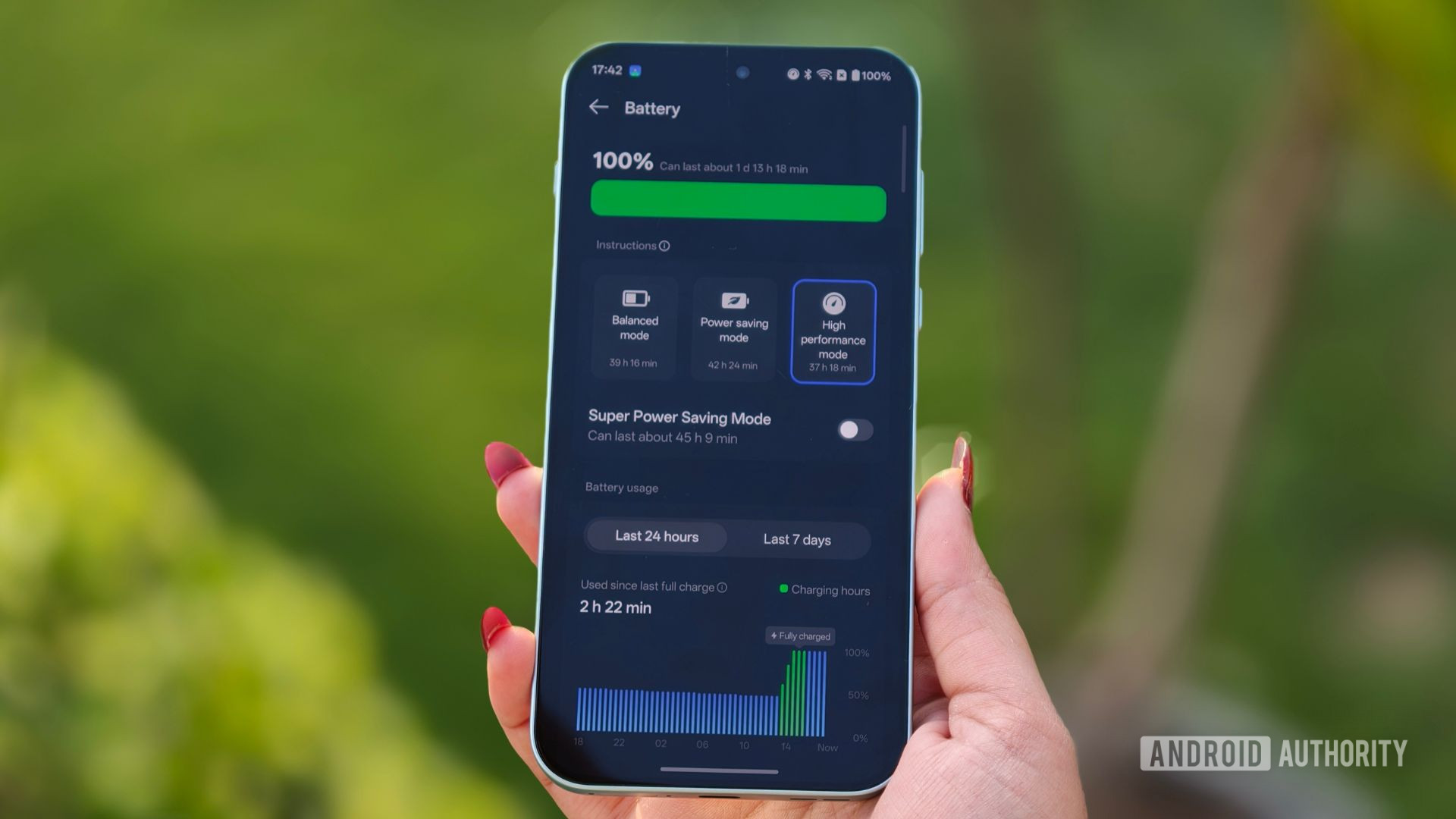
To be fair, not every smartphone maker has resigned itself to the status quo. A growing number of devices, particularly in the mid-range and budget segments, are shipping with genuinely impressive battery capacities. The OnePlus Nord 6 stands out as a striking example, packing a 9,000 mAh battery — a figure that would have seemed absurd in a slim smartphone just a few years ago. That's not just a phone that lasts through the day. That's a phone that can last multiple days and even double as a power bank to charge your other devices.
Reviewers and everyday users alike have noted that this kind of energy surplus changes the relationship you have with your phone entirely. You stop monitoring the battery indicator. You stop hunting for outlets. You simply use your device when you need it and trust that it will be there for you. It sounds basic, but for anyone who has spent years managing battery life like a precious resource, the psychological shift is enormous.
What Needs to Change Across the Industry
The OnePlus Nord 6 proves that big batteries and slim, modern designs are not mutually exclusive. So why aren't more manufacturers following this lead? The honest answer involves a mix of design philosophy, marketing priorities, and manufacturing constraints. Premium flagship makers have long prioritized thinness as a marker of luxury and sophistication. A thicker phone with a bigger battery may perform better in real-world use, but it doesn't photograph as elegantly in a press release.
There are also promising developments in battery technology itself that could change the game entirely. Solid-state batteries, which promise higher energy density and improved safety over conventional lithium-ion cells, have been "just around the corner" for years but are now entering more serious production phases. Silicon anode batteries are another area of active development, offering significant capacity gains over graphite-based alternatives. If either technology matures and scales quickly, we could see a meaningful leap in battery performance within the next few years.
The User Verdict Is Clear
Survey data and user sentiment both point in the same direction: people want better battery life, and they want it now. Not as a premium feature. Not as a trade-off against processing power or display quality. As a baseline expectation. In 2026, charging a phone once a day should not be a design achievement — it should be the bare minimum.
The good news is that the conversation is shifting. More manufacturers are taking battery capacity seriously. More consumers are demanding it when making purchasing decisions. And devices like the OnePlus Nord 6 are proving that the industry can do better when it chooses to. Battery anxiety has defined the smartphone era for too long. The technology to end it is within reach — we just need the will to prioritize it.