
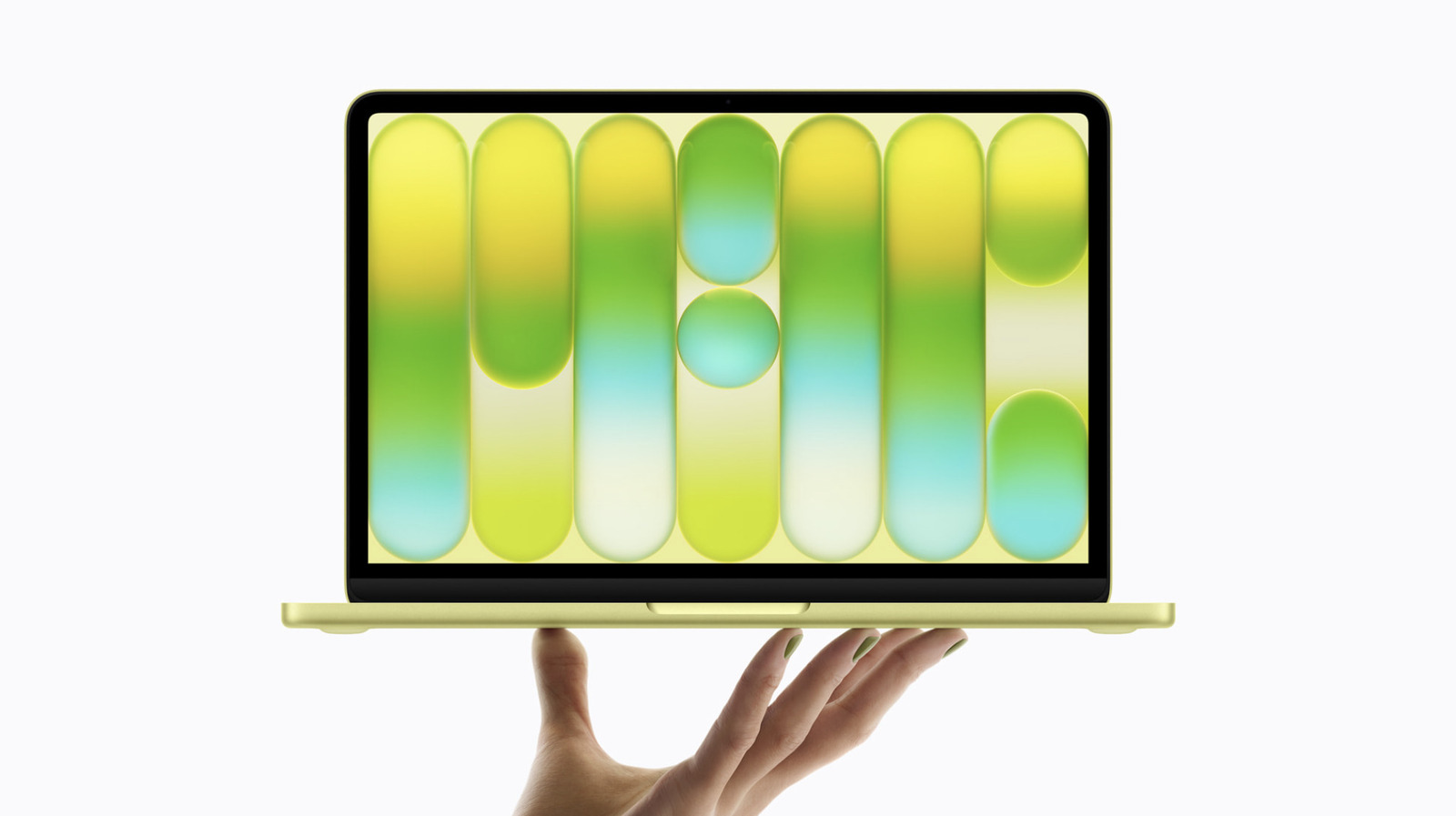
Apple Raises Prices Across Its Hardware Lineup
If you have been thinking about picking up a new Mac, MacBook, or iPad, you may want to brace yourself. Apple has officially raised prices across the majority of its hardware lineup, leaving consumers and industry watchers alike asking the same question: why now, and by how much? The latest round of price increases affects a wide range of Apple products, from portable laptops to desktop computers and popular tablets, making this one of the most sweeping pricing changes the company has made in recent memory.
Whether you are a longtime Apple enthusiast, a student shopping for a new device, or a business owner managing a fleet of Apple hardware, these price changes have real-world implications for your budget. In this article, we break down everything you need to know about Apple's latest price hikes, explore the likely reasons behind them, and offer some practical advice on how to navigate the new pricing landscape.
Which Apple Products Got More Expensive?
The price increases are not limited to a single product category. Apple has raised the cost of entry across several of its most popular hardware lines. Here is a look at the devices most affected:
- Mac desktop computers — Including the Mac mini, iMac, and Mac Pro, all of which have seen notable price adjustments that could add hundreds of dollars to the total cost of ownership for creative professionals and everyday users alike.
- MacBook laptops — Both the MacBook Air and MacBook Pro families have been repriced, with increases touching entry-level and high-end configurations. For students and remote workers who rely on these machines, this is a significant development.
- iPad lineup — From the standard iPad to the iPad Pro, Apple's beloved tablet range has also grown more expensive, with higher starting prices across multiple storage tiers and connectivity options.
- Accessories and peripherals — Products like the Apple Magic Keyboard, Magic Mouse, and various adapters may also be subject to revised pricing, compounding the overall cost for buyers outfitting a complete Apple workspace.
While specific dollar amounts vary by model and configuration, the overarching theme is clear: buying into the Apple ecosystem just became a more costly proposition across the board.
Why Is Apple Raising Prices?
Apple rarely comments in detail on its pricing decisions, but several well-understood market forces are likely driving this round of increases. Understanding them can help consumers put the changes in context.
Tariffs and Supply Chain Pressures
One of the most significant factors contributing to Apple's price hikes is the ongoing impact of tariffs on goods manufactured in or imported from key trading partners. A substantial portion of Apple's hardware is assembled in Asia, and import tariffs imposed by the United States government can dramatically increase the landed cost of finished goods. When those costs rise, manufacturers and retailers almost inevitably pass them along to consumers in the form of higher prices.
Apple has worked for years to diversify its supply chain, expanding manufacturing operations in countries like India and Vietnam. However, the transition is gradual, and a large portion of production still flows through regions subject to significant tariff exposure. Until that diversification is complete, tariff-related cost pressures will continue to influence retail pricing.
Currency Fluctuations and Global Pricing Adjustments
Apple sells its products in dozens of countries, and the strength or weakness of the US dollar relative to other currencies can have a direct impact on how the company prices devices in international markets. When the dollar strengthens, Apple products priced in local currencies can become disproportionately cheap from Apple's perspective, eroding the company's profit margins. Periodic price adjustments help Apple maintain consistent revenue per unit sold, regardless of where in the world the sale takes place.
Component Costs and Technological Investment
Apple continues to invest heavily in its proprietary silicon, particularly its Apple Silicon chip series — the M-series processors that now power virtually every Mac and iPad. Developing and manufacturing these cutting-edge chips is extraordinarily expensive, and those research and development costs are ultimately built into product pricing. As Apple pushes the boundaries of what its hardware can do, consumers can expect premium performance to come at a premium price.
How Do Apple's New Prices Compare to the Competition?
Apple has always occupied the premium tier of the consumer electronics market, and these price increases reinforce that positioning. Comparable Windows-based laptops from manufacturers like Dell, HP, Lenovo, and Microsoft can often be found at lower price points, though many Apple fans argue that the tight integration of hardware and software, the longevity of Apple devices, and the quality of the overall user experience justify the higher cost.
That said, for budget-conscious buyers, the widening price gap between Apple products and alternatives running competing operating systems is becoming harder to ignore. Even within the Apple ecosystem, the difference in price between a new device and a certified refurbished model is growing more attractive by comparison.
Tips for Buying Apple Hardware Without Breaking the Bank
Despite the price increases, there are still smart strategies consumers can use to get the most value out of their Apple purchases.
- Shop Apple's certified refurbished store — Apple sells refurbished devices at meaningful discounts with the same warranty coverage as new products. This is one of the best ways to get genuine Apple hardware at a reduced price.
- Wait for education or back-to-school promotions — Apple regularly runs promotions targeting students and educators that include gift cards, free AirPods, or discounted accessories bundled with qualifying hardware purchases.
- Consider last-generation models — When Apple releases updated hardware, retailers often discount the previous generation. These older models are frequently still powerful enough for most everyday tasks.
- Use Apple's trade-in program — Trading in an older device can offset a portion of the new purchase price, softening the blow of higher sticker prices.
- Buy through authorized resellers — Retailers like Best Buy, B&H Photo, and others occasionally run their own promotions on Apple products that Apple's own store does not match.
What This Means for the Apple Ecosystem Going Forward
Apple's pricing power has always been one of its defining characteristics as a business. The company's ability to raise prices without dramatically losing market share speaks to the deep loyalty of its customer base and the perceived quality of its products. However, at some point, sticker price fatigue becomes a real factor — particularly as economic pressures squeeze household budgets worldwide.
For now, Apple shows no signs of retreating from the premium segment. If anything, these price increases signal that the company is doubling down on its identity as a maker of aspirational, high-quality technology. Consumers who want the Apple experience will pay more for it — and based on the company's consistent sales performance, millions of people around the world are prepared to do exactly that.
Whether you view these price hikes as a frustrating inevitability or a reasonable reflection of Apple's ongoing innovation and quality, one thing is certain: staying informed about what Apple hardware costs today is essential before making any major technology purchase. The best time to plan your next Apple upgrade is before the price goes up again.