
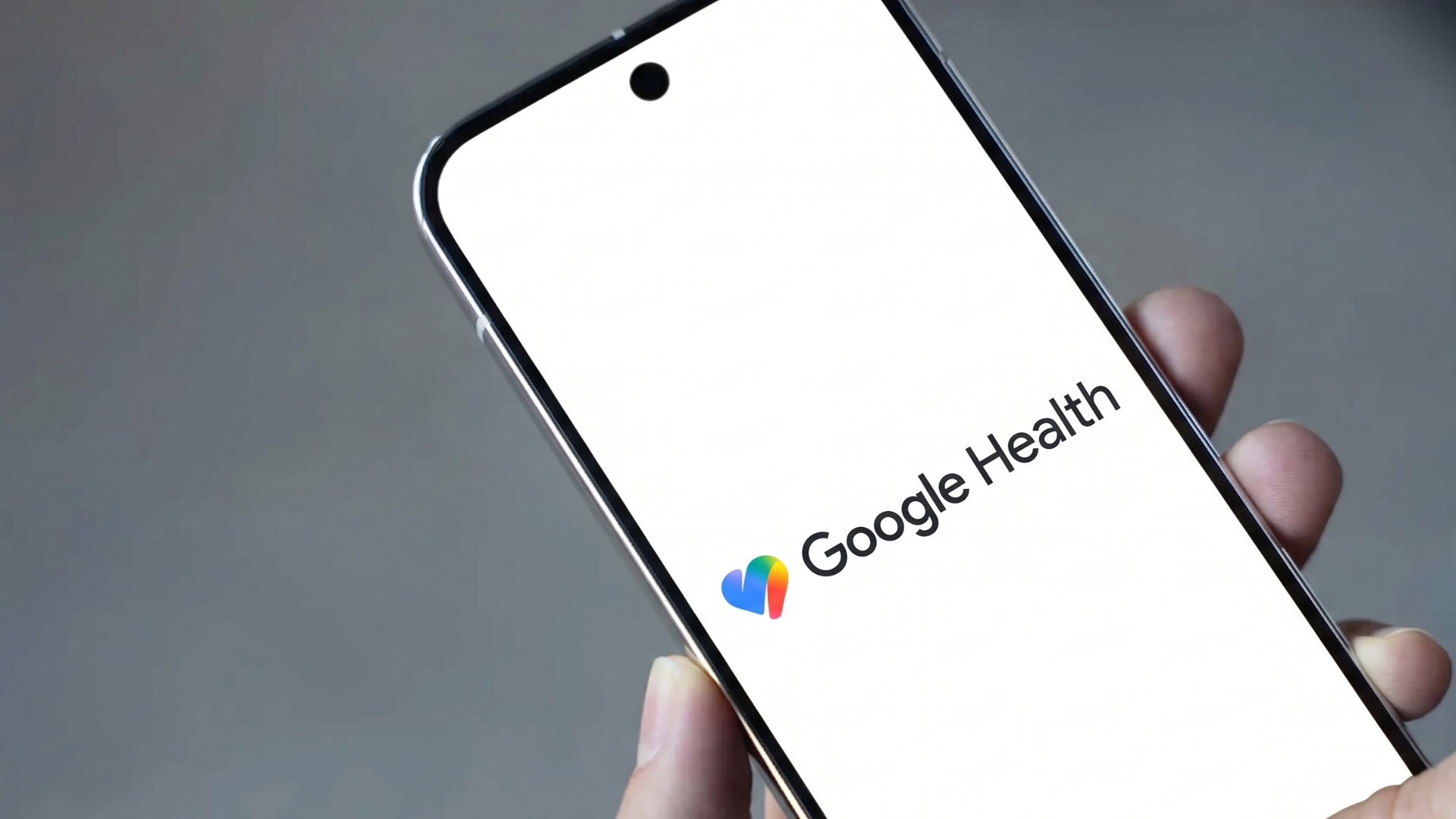
Google Is Shutting Down the Fitbit Loophole — Here's What You Need to Know
If you've been holding onto an older version of the Fitbit app to avoid switching over to Google Health, your time is officially running out. Google has begun sending notifications to Fitbit users warning them that older versions of the Fitbit app will soon stop receiving support. Starting July 15, 2026, any version of the Fitbit app older than 5.0 — on both Android and iOS — will no longer be functional. This deadline effectively closes one of the most widely used workarounds that allowed longtime Fitbit users to avoid being funneled into the Google Health ecosystem.
For millions of Fitbit loyalists, this is more than just a software update. It marks the end of an era and forces a transition that many users have been actively resisting for months.
What Is the Google Health Update and Why Are Users Avoiding It?
When Google acquired Fitbit back in 2021, many users braced themselves for the inevitable: their beloved fitness tracking platform would eventually be absorbed into Google's broader ecosystem. That moment arrived in earnest in early May 2026, when Google began rolling out the much-anticipated migration from the standalone Fitbit app experience to Google Health.
Google Health is Google's unified platform for tracking fitness, activity, sleep, heart rate, and other wellness metrics. On the surface, it promises a more integrated experience across Android devices, Wear OS smartwatches, and other Google products. However, a large segment of Fitbit's user base was less than thrilled about the change.
The concerns driving user resistance are varied but understandable. Many users have cited privacy worries, particularly around how their sensitive health data will be handled within Google's broader data ecosystem. Others simply prefer the Fitbit app's familiar interface, its community features, and the relatively straightforward way it presents fitness data. For users who aren't deeply embedded in the Android or Google ecosystem — including a significant number of iPhone users — the migration to Google Health felt like an unnecessary and unwelcome disruption.
How Did the Loophole Work?
When the Google Health rollout began, users quickly discovered that the transition wasn't being enforced at the app version level — at least not immediately. Those who had already installed older versions of the Fitbit app, specifically versions predating the 5.0 milestone, found that they could continue using the app without being pushed into the Google Health migration flow.
This became a widely shared workaround in Fitbit user communities across Reddit, tech forums, and social media platforms. Users would either refrain from updating their app or, in some cases, sideload an older APK version on Android to retain access to the classic Fitbit experience. For iOS users, older app versions cached on devices served a similar purpose.
The workaround wasn't elegant, but it was effective — until now.
What Changes on July 15, 2026?
Google's latest round of notifications makes it clear that the loophole has an expiration date. On July 15, 2026, support for any Fitbit app version older than 5.0 will be discontinued on both Android and iOS. After that date, users still running these legacy versions will find that the app simply stops working as expected. Syncing with Fitbit devices, accessing health data, and using the platform's core features will all cease to function through the old app.
In practice, this means users will have two options: update to the current Fitbit app version (which integrates with Google Health) or stop using the Fitbit app altogether. There is no third path.
What Does This Mean for Long-Term Fitbit Users?
The July 15 deadline is a significant moment for Fitbit's community. The brand built a loyal following over more than a decade by offering accessible, user-friendly fitness tracking devices and an app that prioritized simplicity and community. The forced migration to Google Health represents a fundamental shift in that identity.
- Data privacy concerns: Users who have long-standing reservations about Google's data practices may feel their health information is now being absorbed into a much larger and more commercially driven ecosystem.
- Interface changes: Google Health presents data differently than the classic Fitbit app, and not every user finds the new experience intuitive or preferable.
- Community features: Fitbit built a social and community layer into its app — challenges, leaderboards, and friend activity feeds — and users are concerned these features may be diminished or removed in the Google Health environment.
- iOS and non-Google users: Fitbit always had a strong user base on iPhone, and these users are now being pulled into a Google product, which raises questions about long-term support and feature parity on Apple's platform.
Should You Make the Switch Now?
Given that the deadline is firm and not far off, the practical answer for most users is yes — it's time to update. Continuing to delay the migration only means a more abrupt and potentially disruptive transition later. Updating to Fitbit app version 5.0 or later and completing the Google Health migration process before July 15 gives users time to familiarize themselves with the new platform, export any data they want to preserve independently, and adjust their settings and preferences.
If you're on Android, updating through the Google Play Store is straightforward. iPhone users can update via the App Store. In both cases, the migration process will prompt you to link your Fitbit data to a Google account if you haven't already done so.
The Bigger Picture: Google's Health Ecosystem Strategy
This move is consistent with a broader pattern in Google's approach to acquisitions. After purchasing a popular product or service, Google typically works to integrate it into its core ecosystem over a transition period. Fitbit followed this playbook closely, with the standalone experience being maintained long enough to avoid immediate backlash before the eventual consolidation.
From Google's perspective, unifying health and fitness data within Google Health makes strategic sense. It creates a more comprehensive data platform, strengthens the value proposition of Pixel phones and Wear OS devices, and positions Google as a serious player in the increasingly competitive digital health market alongside Apple Health and Samsung Health.
For Fitbit users, though, the transition is a reminder that when a beloved independent product is acquired by a tech giant, the clock is always ticking. July 15, 2026 is simply the moment that clock runs out.
Final Thoughts
Google's decision to close the Fitbit app loophole by ending support for versions older than 5.0 is a calculated and inevitable step in the full migration to Google Health. While user frustration is understandable, the practical reality is that the workaround era is over. The best course of action for affected users is to update sooner rather than later, take time to explore what Google Health offers, and make informed decisions about how they want to manage their fitness and wellness data going forward.